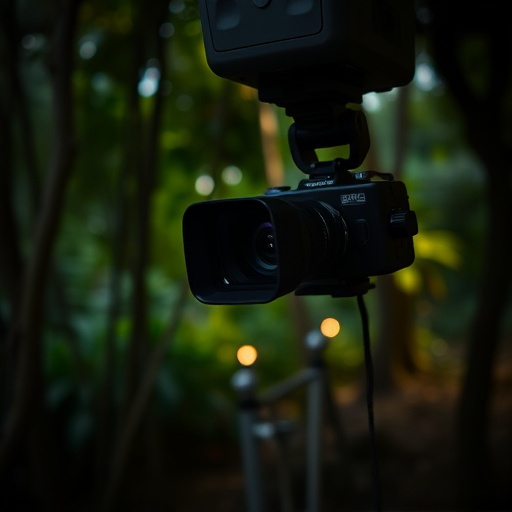
In a digital age, smartphones are powerful tools against hidden cameras, leveraging advanced sensors, image processing, and apps designed for detection. The Hidden Camera Storage Capacity Comparison is a key tactic, as varied memory sizes can alert users to potential surveillance. With apps offering light pattern analysis, motion detection, and thermal imaging, privacy protection becomes accessible. However, the comparison also raises ethical concerns regarding data storage capacity, emphasizing the need to balance technical progress with privacy considerations when combating hidden cameras.
Uncover the unseen: Learn how to detect hidden cameras using your smartphone. From understanding various camera types and their covert operations to leveraging your device’s built-in sensors, this article equips you with essential tools for identification. Explore top applications designed specifically for hidden camera detection and uncover data privacy concerns tied to their storage capacity—a crucial Hidden Camera Storage Capacity Comparison for tech-savvy individuals.
- Understanding Hidden Camera Types and Detection Challenges
- Smartphone Features for Hidden Camera Identification
- Applications and Tools to Detect Hidden Cameras
- Comparing Storage Capacity of Hidden Cameras and Data Privacy Concerns
Understanding Hidden Camera Types and Detection Challenges
Hidden cameras come in various types, each presenting unique detection challenges. From tiny spy cameras hidden within everyday objects to more advanced miniature devices, the landscape is diverse. One critical aspect to consider is the hidden camera storage capacity comparison. While some may store a limited amount of data, others boast substantial memory, making detection more intricate.
The challenge lies in the fact that these cameras can operate discreetly, capturing footage over extended periods. This longevity increases the likelihood of sensitive information being recorded, making their detection not just a technical but also a time-sensitive endeavor. Understanding these nuances is essential when employing smartphone methods for hidden camera identification.
Smartphone Features for Hidden Camera Identification
Modern smartphones are equipped with advanced sensors and cameras that can aid in detecting hidden cameras. One key feature to look for is a high-resolution camera with advanced image processing capabilities. This allows for closer inspection of potential hidden camera components, such as lenses or memory cards. Additionally, smart sensors like motion detectors and heat sensors can help identify unusual activity or warm spots that might indicate the presence of a hidden camera.
In terms of practical methods, users can leverage their smartphone’s storage capacity to compare against known hidden camera storage sizes. By examining memory card slots or internal storage, it’s possible to detect anomalies that could suggest the presence of recording devices. A thorough review of connected devices and apps with access to these storage areas is also crucial. This method leverages the Hidden Camera Storage Capacity Comparison, enabling users to identify potential security risks more effectively.
Applications and Tools to Detect Hidden Cameras
In today’s digital age, smartphone applications have become powerful tools for detecting hidden cameras, offering a convenient and accessible way to identify potential privacy breaches. These apps utilize various techniques, including analyzing light patterns, motion detection, and thermal imaging, to uncover hidden camera setups. One notable aspect of these tools is their ability to compare the hidden camera storage capacity, providing users with insights into the data collection capabilities of the device.
The market offers a range of applications designed for this purpose, each with unique features. Some apps focus on visual analysis, detecting cameras by their light signatures, while others employ thermal sensors to identify heat emissions from camera lenses. Advanced tools even provide real-time alerts and visualization of nearby hidden cameras, ensuring users are aware of potential surveillance devices. This technology has become increasingly accessible, empowering individuals to take control of their privacy with just a smartphone in hand.
Comparing Storage Capacity of Hidden Cameras and Data Privacy Concerns
When comparing hidden camera storage capacity, it’s crucial to understand the potential data privacy concerns. Modern hidden cameras, especially those designed for covert surveillance, often come with substantial internal memory or support for external storage cards. This allows them to record video and images continuously for extended periods. However, this increased storage capability raises significant privacy issues. With high-resolution footage potentially taking up large amounts of space, users must be vigilant about how they manage and dispose of the data collected by these devices.
A hidden camera storage capacity comparison reveals that while some cameras offer as little as 8GB of internal memory, others can support cards with capacities reaching 256GB or more. This wide range underscores the diversity in recording capabilities and the potential volume of sensitive information stored within them. As such, it’s essential to consider not only the technical aspects of detecting hidden cameras but also the ethical and legal implications surrounding data privacy when using smartphone methods for their identification.
In conclusion, while smartphone methods offer a powerful tool for detecting hidden cameras, understanding the diverse types and challenges is essential. Leveraging various smartphone features allows for effective identification, with dedicated applications and tools enhancing accuracy. Moreover, considering the Hidden Camera Storage Capacity Comparison and data privacy concerns is crucial to navigating this complex landscape. By staying informed and utilizing these resources responsibly, users can protect their privacy in today’s digital era.