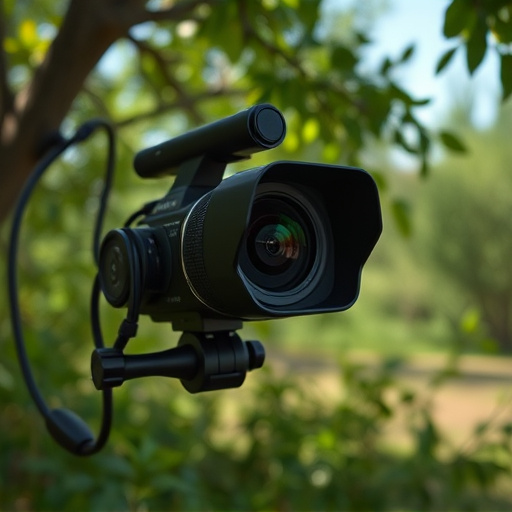
Detecting hidden cameras involves understanding their storage capacity, comparable to smartphones. Capacity comparison guides users in identifying suspicious activity and choosing suitable devices for monitoring needs. Advanced tools like signal scanners and specialized algorithms aid in detection, while legal considerations ensure compliance with privacy regulations. The Hidden Camera Storage Capacity Comparison is key to navigating a complex digital landscape, fostering safer environments.
Uncover the art of detecting hidden monitoring devices with our comprehensive guide. Learn essential techniques to identify covert cameras, understand their storage capacity through comparison, and master advanced signal scanning tools. We’ll highlight visual cues and anomalies to watch for in potential hiding spots. Additionally, explore legal considerations regarding privacy and camera detection, ensuring you’re informed about your rights and responsibilities.
- Detecting Hidden Cameras: Essential Techniques
- Understanding Camera Storage Capacity
- Advanced Tools for Signal Scanning
- Visual Cues and Anomalies to Look For
- Legal Considerations: Privacy and Detection
Detecting Hidden Cameras: Essential Techniques
Detecting hidden cameras has become a crucial skill in today’s digital era, where privacy breaches can be as subtle as a discreetly placed surveillance device. One of the initial steps in identifying these covert recorders is understanding their storage capacity comparison to commonly used devices. Modern hidden cameras often come with memory cards or internal storage capable of holding a significant number of video files, sometimes rivaling the data storage of standard smartphones or tablets.
This knowledge allows individuals to be more vigilant; for instance, examining memory card usage patterns can reveal suspicious activity. Additionally, technologists recommend periodically checking device connections and looking for unusual power consumption, as hidden cameras might operate continuously, draining batteries faster than expected. By combining these techniques with regular maintenance checks, one can effectively navigate the labyrinthine world of hidden camera detection and ensure a safer digital environment.
Understanding Camera Storage Capacity
Hidden cameras often come with varying storage capacities, which can significantly impact their effectiveness. When considering a hidden monitoring device, understanding its storage capability is crucial for ensuring continuous and efficient recording. Storage capacity comparison among different models allows users to make informed decisions based on their specific needs.
For instance, while a basic model might offer 32GB of internal memory, higher-end varieties can boast capacities reaching up to 128GB or even more. This difference matters greatly when dealing with high-resolution footage or environments requiring extended recording periods. A larger storage capacity ensures that every moment is captured and retained without frequent manual intervention for card rotation or overwriting old files.
Advanced Tools for Signal Scanning
In today’s digital era, advanced tools have emerged to aid in hidden monitoring device signal detection, offering users a robust array of options for thorough scanning. One key aspect to consider is the Hidden Camera Storage Capacity Comparison. While some devices may store footage locally with limited memory, others are equipped with cloud connectivity, enabling remote access and storage that can be nearly impossible to trace or detect.
Professionals in this field recommend utilizing specialized signal scanners capable of identifying wireless signals, infrared LEDs, and even hidden micro-cameras. These tools often come with advanced algorithms that can pinpoint the exact location of the device, helping users avoid undetected surveillance. By combining such sophisticated equipment with keen observation skills, individuals can navigate through potential labyrinthine networks of hidden cameras with increased confidence and security.
Visual Cues and Anomalies to Look For
When it comes to detecting hidden monitoring devices, visual cues and anomalies can be your best allies. Start by examining any unusual objects or setups in the environment. Hidden cameras often leave behind telltale signs such as small, strategically placed mirrors or LED indicators that might be hard to spot with the naked eye but can reveal their presence. Pay close attention to corners, gaps, and areas where cameras could be concealed, like behind pictures on walls or inside seemingly innocuous everyday objects.
Moreover, consider a hidden camera’s storage capacity as part of your detection process. Unlike traditional surveillance equipment, modern hidden cameras come with varying storage options, from built-in memory cards to cloud storage capabilities. By comparing their storage capacities and understanding how they operate, you can spot inconsistencies or deviations that might suggest the presence of a covert recording device. This subtle detail could be crucial in identifying where data is being stored and who has access to it.
Legal Considerations: Privacy and Detection
When it comes to hidden monitoring device signal detection, legal considerations regarding privacy are paramount. It’s essential to understand the laws in your jurisdiction concerning surveillance and camera placement. Unauthorized installation or use of hidden cameras can lead to severe legal repercussions. Always ensure any monitoring system complies with data protection regulations, such as GDPR or local privacy acts.
One critical aspect to consider is the hidden camera storage capacity comparison. While advanced technology allows for tiny, almost imperceptible cameras, their memory capabilities should be evaluated. Modern hidden cameras often come with substantial storage, raising privacy concerns. Detecting these devices requires not only technical prowess but also a deep understanding of one’s rights and the legal boundaries surrounding private space monitoring.
Detecting hidden monitoring devices requires a combination of technical expertise, keen observation, and an understanding of legal boundaries. By utilizing techniques like signal scanning, recognizing visual cues, and comparing camera storage capacities (Hidden Camera Storage Capacity Comparison), individuals can protect their privacy effectively. Staying informed about the latest tools and legal considerations ensures a proactive approach to identifying and mitigating potential surveillance threats.