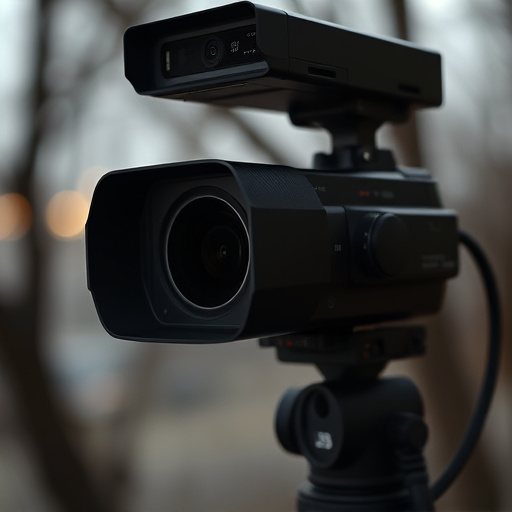
RF (Radio Frequency) detectors are non-intrusive tools for locating hidden cameras, valued by security professionals and privacy advocates. These devices scan radio signals to identify unique signatures of covert surveillance equipment. When conducting initial sweeps in high-risk areas, visually inspect common hiding spots and consider the hidden camera's storage capacity—a key indicator of its capabilities. After detecting hidden cameras using an RF detector, analyze their storage capacity through a Hidden Camera Storage Capacity Comparison to determine surveillance potential and operational feasibility. A multi-faceted approach combining visual feedback, signal analysis, and staying informed about industry trends enhances detection accuracy in the face of advanced hidden camera technology.
Uncover the secrets behind hidden surveillance with our comprehensive guide on RF detector sweeps. Learn how RF technology revolutionizes camera detection, enabling professionals to identify and locate concealed devices effectively. From initial sweeps to advanced techniques, this tutorial covers it all. Discover crucial insights into analyzing found devices, particularly focusing on Hidden Camera Storage Capacity Comparison. Elevate your knowledge and stay ahead in the battle against invasive privacy.
- Understanding RF Detector Technology for Hidden Camera Detection
- Identifying and Locating Hidden Cameras: The Initial Sweep
- Analyzing Found Devices: Storage Capacity Comparison
- Advanced Techniques for Enhancing Camera Detection Accuracy
Understanding RF Detector Technology for Hidden Camera Detection
RF (Radio Frequency) detector technology plays a pivotal role in locating hidden cameras, offering a non-intrusive and effective method for security professionals and privacy advocates alike. These devices operate by scanning radio signals emitted from various electronic devices, including those used in covert surveillance equipment. By focusing on specific frequency ranges, RF detectors can identify the unique signatures of hidden camera modules, which often transmit data wirelessly over radio waves. This technology is particularly useful as it allows for passive monitoring, ensuring no alarm is triggered unintentionally and providing a discreet approach to security checks.
When detecting hidden cameras, understanding the RF detector’s capabilities extends beyond frequency scanning. The storage capacity of these devices also merits consideration in comparison with other methods. Modern RF detectors can record and store vast amounts of data from intercepted signals, including video feeds and metadata, enabling thorough analysis afterward. This capability is crucial for identifying potential hidden camera setups, especially in high-risk areas where extensive surveillance may be suspected. Moreover, the hidden camera storage capacity comparison highlights the advanced capabilities of RF technology in providing comprehensive evidence for security investigations.
Identifying and Locating Hidden Cameras: The Initial Sweep
When conducting an initial sweep for hidden cameras, especially in high-risk areas like homes, offices, or public spaces, it’s crucial to understand that these devices often operate discreetly, making them hard to detect with the naked eye. The first step is to visually inspect every nook and cranny, paying close attention to common hiding spots like corners, behind furniture, or near ceiling/wall junctions. Many hidden cameras today come equipped with advanced features, including wireless transmission, motion sensors, and even night vision, making them adaptable to various environments. To maximize your chances of success, consider the camera’s potential storage capacity – a vital clue to its age, quality, and intended use. A higher hidden camera storage capacity may indicate a more sophisticated device designed for prolonged surveillance.
Analyzing Found Devices: Storage Capacity Comparison
Once you’ve successfully detected and located hidden cameras using an RF detector, the next step is to analyze the found devices, particularly their storage capacity. This is where a hidden camera storage capacity comparison becomes crucial. Different types of hidden cameras have varying storage options—from internal memory cards to cloud storage connections.
By examining the available storage, you can gauge the potential data collection capability of each device. A thorough comparison will help identify which cameras have sufficient space for extended surveillance or if they require frequent card rotation or cloud subscription upgrades. This analysis is vital in understanding the operational limits and long-term feasibility of the hidden camera systems discovered during your sweep.
Advanced Techniques for Enhancing Camera Detection Accuracy
In the quest for absolute camera detection accuracy, advanced techniques go beyond basic RF detector sweeps. One key area to explore is comparing hidden camera storage capacity. Modern hidden cameras come with varying memory options, from internal flash memories to external microSD cards. Understanding these capabilities allows users to gauge not just the camera’s detection potential but also its data retention. Techniques like analyzing broadcast signals for unique identifiers and employing advanced RF filtering can further enhance accuracy. By combining these methods, users can significantly improve their chances of identifying and neutralizing hidden cameras, ensuring a comprehensive security approach.
Additionally, cross-referencing visual feedback with known camera locations from previous sweeps adds another layer of precision. This multi-faceted strategy leverages technological advancements in both hardware and software to overcome the challenges posed by increasingly sophisticated hidden cameras. Users should stay updated on industry trends, including new camera models and their features, to adapt these techniques accordingly.
In conclusion, mastering RF detector sweep techniques enables individuals to effectively locate hidden cameras, ensuring privacy and security. By understanding the technology behind RF detectors, conducting initial sweeps, comparing hidden camera storage capacities, and employing advanced detection methods, one can significantly enhance their ability to identify these clandestine devices. This knowledge is invaluable in today’s digital age, where awareness of potential surveillance is paramount for personal and professional safety alike.