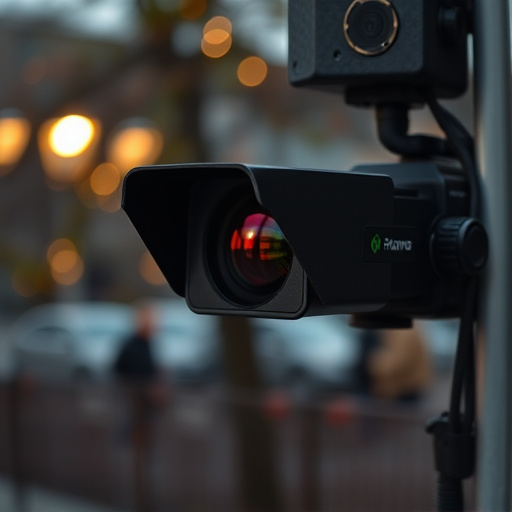
Optical sensor technology is a powerful tool in combating hidden cameras, aiding professionals in detecting clandestine surveillance devices through light pattern analysis. Understanding the significant storage capacities of modern hidden cameras—which can record for months or years—is crucial. By comparing hidden camera storage capacities against optical sensor detection methods, experts can uncover and assess covert surveillance operations, revolutionizing their approach to privacy protection. Advanced tools like high-resolution sensors in handheld devices or drones, coupled with strategic testing methodologies, ensure accurate results in hidden camera storage capacity comparison. This comprehensive approach safeguards individuals and organizations in today's digital age by mitigating the risks of unauthorized surveillance.
In today’s digital era, optical sensor detection sweep using advanced technologies like hidden camera sensors is crucial for ensuring privacy and security. This article delves into the professional methods behind detecting concealed surveillance devices, focusing on understanding optical sensor technology and advanced techniques. We explore comprehensive tools, efficient strategies for storage capacity comparison, real-world case studies, and more, providing a detailed guide to effectively uncovering hidden cameras.
- Understanding Optical Sensor Technology for Hidden Camera Detection
- Professional Tools and Equipment for Sensor Sweep: A Comprehensive Overview
- Strategies for Efficiently Conducting a Storage Capacity Comparison
- Uncovering Hidden Cameras: Advanced Techniques and Methods
- Case Studies: Real-World Applications of Optical Sensor Detection Sweep
Understanding Optical Sensor Technology for Hidden Camera Detection
Optical sensor technology plays a pivotal role in hidden camera detection, offering advanced methods to uncover clandestine surveillance devices. These sensors are designed to detect visual anomalies and irregularities that might indicate the presence of hidden cameras, which often employ tiny lenses or image sensors concealed within various objects. By analyzing light patterns and reflections, optical sensors can identify peculiarities not easily visible to the naked eye, such as subtle changes in lighting or unusual reflective surfaces.
In terms of hidden camera detection, one key aspect is understanding the storage capacity of these devices. Modern hidden cameras are equipped with internal memory cards or connected storage devices that allow them to record video and images over extended periods. A thorough comparison of hidden camera storage capacities is essential for professionals in this field. By benchmarking the storage options against the sensor’s detection capabilities, experts can better assess the potential reach and duration of surveillance activities, ultimately enhancing their ability to uncover and mitigate such covert operations.
Professional Tools and Equipment for Sensor Sweep: A Comprehensive Overview
Professional tools and equipment for sensor sweep play a pivotal role in ensuring accurate, efficient, and thorough inspections. At the forefront of this technology are high-resolution optical sensors capable of detecting even subtle anomalies. These sensors are often integrated into advanced handheld devices or remote-controlled drones, offering versatility and accessibility in diverse environments.
For instance, professional inspectors utilize specialized tools for Hidden Camera Storage Capacity Comparison, where compact yet powerful cameras with significant memory capabilities capture detailed footage. This equipment includes digital imaging systems with adjustable settings for optimal visualization, along with data logging software to record and analyze sensor readings. Additionally, advanced mapping and navigation systems assist in documenting the sweep process, providing a comprehensive visual record for future reference.
Strategies for Efficiently Conducting a Storage Capacity Comparison
When conducting a Hidden Camera Storage Capacity Comparison, it’s crucial to employ strategic methods that ensure accuracy and efficiency. Start by identifying the specific types of hidden cameras you intend to test, as this will dictate the necessary storage requirements. Different models and brands may have varying video quality settings, resolution options, and frame rates, all of which impact storage consumption.
Next, select a representative set of storage devices—such as memory cards or hard drives—to benchmark against the hidden camera’s capacity. Use industry-standard tools to measure and compare the actual storage space available versus advertised capacities. Record these figures for future reference. Additionally, consider testing under various conditions: optimal, low-light, and extreme environments (if applicable) to mimic real-world scenarios. This comprehensive approach ensures a fair assessment of hidden camera storage capacity comparison results.
Uncovering Hidden Cameras: Advanced Techniques and Methods
Uncovering hidden cameras has become a critical skill in today’s digital age, where privacy concerns are on the rise. Professional methods employ advanced techniques to detect these covert devices, which often require sophisticated equipment and expertise. One key area of focus is understanding the hidden camera storage capacity comparison. Different models vary significantly in their data retention capabilities; some can store months or even years’ worth of footage. Detectives use specialized software to analyze this data, looking for patterns or anomalies that might reveal a covert surveillance operation.
In addition to digital forensics, physical inspection plays a vital role. Professionals use advanced optical sensors capable of detecting infrared or UV signatures that are invisible to the human eye. These sensors can uncover hidden cameras disguised as everyday objects like light bulbs or smoke detectors. By combining these techniques with meticulous observation, experts can expose hidden camera networks, ensuring a safer and more private environment for individuals and organizations alike.
Case Studies: Real-World Applications of Optical Sensor Detection Sweep
Optical sensor detection sweep has found its place in various real-world applications, showcasing its versatility and importance beyond laboratory settings. One notable area is the field of security and surveillance. By employing advanced optical sensors, professionals can conduct thorough sweeps to detect hidden cameras, ensuring privacy and security in public spaces and private establishments. These sweeps are particularly crucial in high-risk environments like government facilities, financial institutions, and corporate boardrooms, where unauthorized surveillance can have severe consequences.
Case studies have demonstrated the effectiveness of optical sensor detection sweep in identifying covert camera systems. For instance, a study conducted by a leading security firm revealed that their team was able to uncover hidden cameras with impressive accuracy, including those disguised as everyday objects. Furthermore, these sweeps often involve capacity comparison tests for hidden camera storage devices. This involves analyzing the memory cards or hard drives found within the detected cameras, providing valuable insights into the level of surveillance attempted and potentially uncovering sensitive data leaks.
Optical sensor detection sweeps have evolved into a professional method for uncovering hidden cameras, thanks to advancements in technology and specialized equipment. By employing sophisticated techniques outlined in this article—from understanding optical sensor technology to advanced case studies—experts can effectively conduct sweeps, ensuring a thorough examination of potential hidden camera storage capacities. This comprehensive approach allows for the successful identification and neutralization of covert surveillance devices, enhancing privacy and security in various environments.