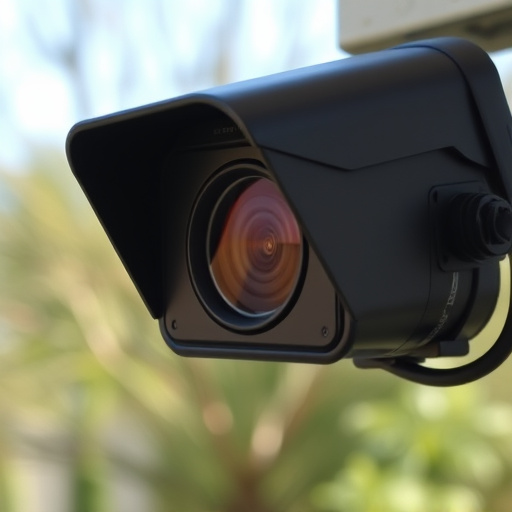
Micro cameras, with diverse types and storage capacities, offer flexibility for hidden surveillance. Disguised in everyday objects like flower pots or decorative items, they provide convenience and reduced detection risk. A Hidden Camera Storage Capacity Comparison highlights various options, from pen-shaped cameras to customizable accessories. Creative concealment methods, combined with understanding legal parameters and ethical considerations, ensure effective long-term observation while maintaining privacy respect.
Uncover the art of creative camera concealment with our comprehensive guide. Explore the world of micro cameras, understanding their diverse types and advanced capabilities. From everyday objects to intricate designs, discover innovative techniques for concealing cameras in various scenarios. We delve into legalities, ethical considerations, and practical tips for successful implementation. Learn how to maximize hidden camera storage capacity through expert comparison insights. Uncover the possibilities and stay ahead with our ultimate micro camera concealment creative solutions guide.
- Understanding Micro Cameras: Types and Capabilities
- Creative Concealment Techniques for Different Scenarios
- Common Disguises: A Guide to Effective Storage Capacity Comparison
- Legal and Ethical Considerations for Concealed Camera Use
- Best Practices and Tips for Success with Hidden Cameras
Understanding Micro Cameras: Types and Capabilities
Micro cameras, also known as tiny or hidden cameras, have evolved significantly in recent years, offering a range of types and capabilities that cater to various needs. These compact devices can be easily concealed within everyday objects, making them versatile tools for surveillance, security, and creative projects. From miniature camcorders to discreet pinhole cameras, each variant boasts unique features and storage capacities.
When comparing hidden camera storage capacity, it’s essential to consider the type of micro camera in question. Modern models often come with internal memory cards that can store a considerable amount of video footage before requiring transfer or overwriting. Some even offer real-time cloud storage options for remote access and monitoring. This versatility ensures that users can capture and store data efficiently, making micro cameras an indispensable tool for various applications, including home security, pet monitoring, and creative content creation.
Creative Concealment Techniques for Different Scenarios
In various scenarios, from surveillance missions to creative storytelling, finding innovative ways to conceal micro cameras is paramount. For instance, in a crowded setting like a bustling street market, integrating the camera into everyday objects like flower pots or traffic signs can go unnoticed. These discreet locations offer both convenience and a high likelihood of evading detection, making them ideal for long-term observation.
When it comes to specific environments, such as offices or homes, creative storage solutions are key. Cameras can be cleverly hidden behind picture frames, fake electrical outlets, or even within decorative pieces like candles or figurines. The versatility of micro cameras allows for a Hidden Camera Storage Capacity Comparison that suits every need—from capturing subtle interactions to monitoring sensitive areas without raising suspicion.
Common Disguises: A Guide to Effective Storage Capacity Comparison
Micro cameras, due to their compact size, offer unique opportunities for creative concealment. When it comes to effective deployment, comparing hidden camera storage capacity is a crucial aspect. Disguises play a significant role in determining how much data these tiny devices can hold and transmit. From everyday objects like pens and flashlights to sophisticated clothing integrations, the options are vast.
Each disguise presents its own advantages and limitations regarding storage capacity. For instance, while a pen-shaped camera might offer discreet recording, its internal memory may be relatively limited compared to a small, customizable microSD card slot in a disguised wallet or backpack. Understanding these nuances is essential for selecting the best solution that aligns with desired recording duration and data storage requirements without compromising on the camouflage’s effectiveness.
Legal and Ethical Considerations for Concealed Camera Use
When considering micro camera concealment, it’s paramount to navigate the intricate tapestry of legal and ethical boundaries. The use of hidden cameras raises significant concerns regarding privacy rights, consent, and potential misuse. Different jurisdictions have distinct rules governing surveillance equipment, with some explicitly prohibiting the use of concealed cameras without explicit permission. Understanding these laws is crucial to ensure your creative solutions remain within ethical and legal parameters.
For instance, discussions around the Hidden Camera Storage Capacity Comparison should consider how much data can be legally stored and for how long. Additionally, transparency about camera presence, through clear signage or informed consent from individuals being recorded, is essential to foster trust and accountability. Respecting privacy laws not only safeguards your project but also ensures the integrity of the footage collected.
Best Practices and Tips for Success with Hidden Cameras
When working with micro cameras, it’s crucial to consider creative concealment methods for successful and undetected surveillance. Best practices involve integrating the camera seamlessly into its environment, utilizing everyday objects as hiding places, and taking advantage of natural camouflage. For instance, a tiny hidden camera can be disguised as a pen or a button, offering both functionality and discreteness. Additionally, comparing storage capacity among different models is essential; micro cameras with higher storage options ensure longer observation periods without the need for frequent battery charging or data transfer.
For optimal results, plan your camera placement strategically. Pay attention to lighting conditions, angles, and potential lines of sight that might be blocked by furniture or other obstructions. Regular maintenance and testing are also vital; ensure the camera’s functionality, clear image quality, and reliable power sources. Remember, the key to success lies in subtlety and careful planning, allowing you to capture valuable footage without drawing attention.
In the realm of creative problem-solving, micro cameras offer a unique and versatile tool with diverse applications. From understanding the various types and their capabilities to navigating legal boundaries, this guide has equipped readers with the knowledge to utilize hidden camera technology effectively. By exploring innovative concealment techniques and comparing storage capacity, individuals can make informed decisions for specific scenarios. Remember, while these creative solutions offer exciting possibilities, ethical and legal considerations must always be a priority when employing such advanced technology.