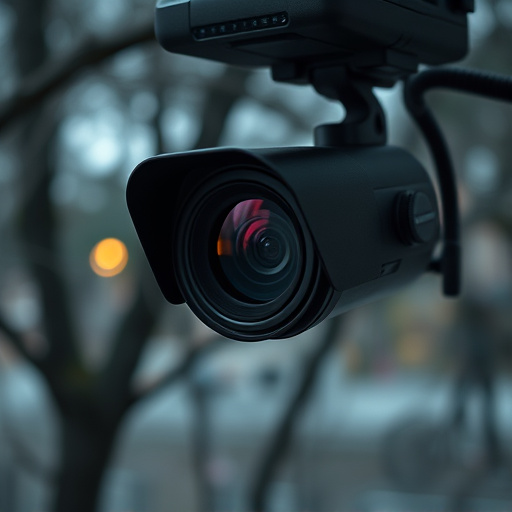
Hidden camera selection hinges on Hidden Camera Storage Capacity Comparison for effective covert surveillance. Storage options—internal memory or external—dictate recording duration and detail level before overwriting data. Capacities range from 8GB-16GB (basic) to 1TB+ (high-end), catering to needs from temporary home security to prolonged professional monitoring. Advanced detection technologies, including electromagnetic sensors and thermal imaging, combined with digital forensics, further bolster the identification of hidden cameras.
In an era where privacy concerns are at an all-time high, understanding and countering covert recording equipment has become paramount. This comprehensive guide delves into the intricate world of hidden cameras, exploring their types, placement strategies, and advanced detection techniques. We also compare the storage capacity of popular hidden camera models, offering valuable insights for both consumers and professionals seeking to protect their spaces from unseen surveillance.
- Understanding Covert Recording Equipment: Types and Capabilities
- Factors to Consider for Discreet Placement of Hidden Cameras
- Advanced Detection Methods for Uncovering Secretly Placed Devices
- A Comprehensive Comparison: Storage Capacity of Popular Hidden Cameras
Understanding Covert Recording Equipment: Types and Capabilities
Covert recording equipment, often referred to as hidden cameras, is a diverse range of devices designed for discreetly capturing video or audio. These tools vary widely in terms of size, functionality, and capabilities. From tiny, virtually invisible miniature cameras to more sophisticated setups with high-resolution sensors and advanced features like motion detection, there’s an option catering to nearly every surveillance need.
One critical aspect often considered when choosing covert recording equipment is the hidden camera storage capacity comparison. The internal memory or external storage options determine how much footage can be stored before it’s either overwritten or requires manual download and clearing. This feature directly impacts the device’s longevity and the amount of detail captured over time, making it crucial to select a camera with sufficient storage based on the intended application’s duration and resolution requirements.
Factors to Consider for Discreet Placement of Hidden Cameras
When discreetly placing hidden cameras, several factors come into play to ensure their effectiveness and avoid detection. One key aspect is choosing the right storage capacity. Cameras with higher storage capacities are ideal for continuous recording over extended periods, allowing for more footage and reducing the need for frequent memory card rotation. This is particularly important in areas where potential activities of interest may span days or weeks.
Additionally, consider the camera’s field of view and resolution. A wider field of view captures more of the scene, while higher resolutions provide clearer images. Balancing these features against power consumption and battery life is essential for a successful covert operation. The goal is to have a camera that can operate silently and continuously without drawing attention to itself.
Advanced Detection Methods for Uncovering Secretly Placed Devices
In the realm of covert recording equipment placement and detection, advanced technologies have emerged to uncover secretly placed devices. One of the most effective methods involves utilizing specialized sensors that can detect subtle electromagnetic signals emitted by hidden cameras. These sensors, often employed in security sweeps, are capable of identifying micro-level variations in magnetic fields, revealing the presence of hidden recording devices. Additionally, thermal imaging cameras play a crucial role, as they can detect unusual heat signatures indicative of electronic equipment.
Moreover, professionals utilize advanced image analysis software to compare hidden camera storage capacity. By scrutinizing digital footprints and analyzing data patterns, experts can identify suspicious files or unusual storage usage, indicating the presence of covert recording devices. This comparative approach, combining sensor technology with digital forensics, ensures a thorough sweep, making it difficult for hidden cameras to go undetected.
A Comprehensive Comparison: Storage Capacity of Popular Hidden Cameras
When considering hidden camera options for covert recording, one critical factor is storage capacity—how much data can the device record before needing to be replaced or downloaded? This aspect is especially important as it directly influences the duration of surveillance and the overall value of the investment. A comprehensive hidden camera storage capacity comparison reveals varying capabilities across different models.
For instance, basic hidden cameras often come with 8GB or 16GB of internal memory, suitable for capturing a few hours of video footage. Mid-range devices offer expandable storage through microSD cards, ranging from 32GB to 512GB, catering to longer-term surveillance needs. High-end hidden cameras break the 1TB barrier, providing extensive storage for extended monitoring periods. These variations in hidden camera storage capacity comparison underscore the diverse applications, from simple home security to professional surveillance, catering to users’ unique requirements.
Covert recording equipment, from hidden cameras to advanced detection methods, presents a complex landscape. Understanding the types and capabilities of these devices, carefully considering their discreet placement, and employing modern detection techniques are key to navigating this world. Additionally, a thorough examination of the Hidden Camera Storage Capacity Comparison reveals crucial differences that can significantly impact data retention and analysis. By staying informed about these technologies, individuals and organizations can better protect privacy and security in an increasingly digital age.